Introduction
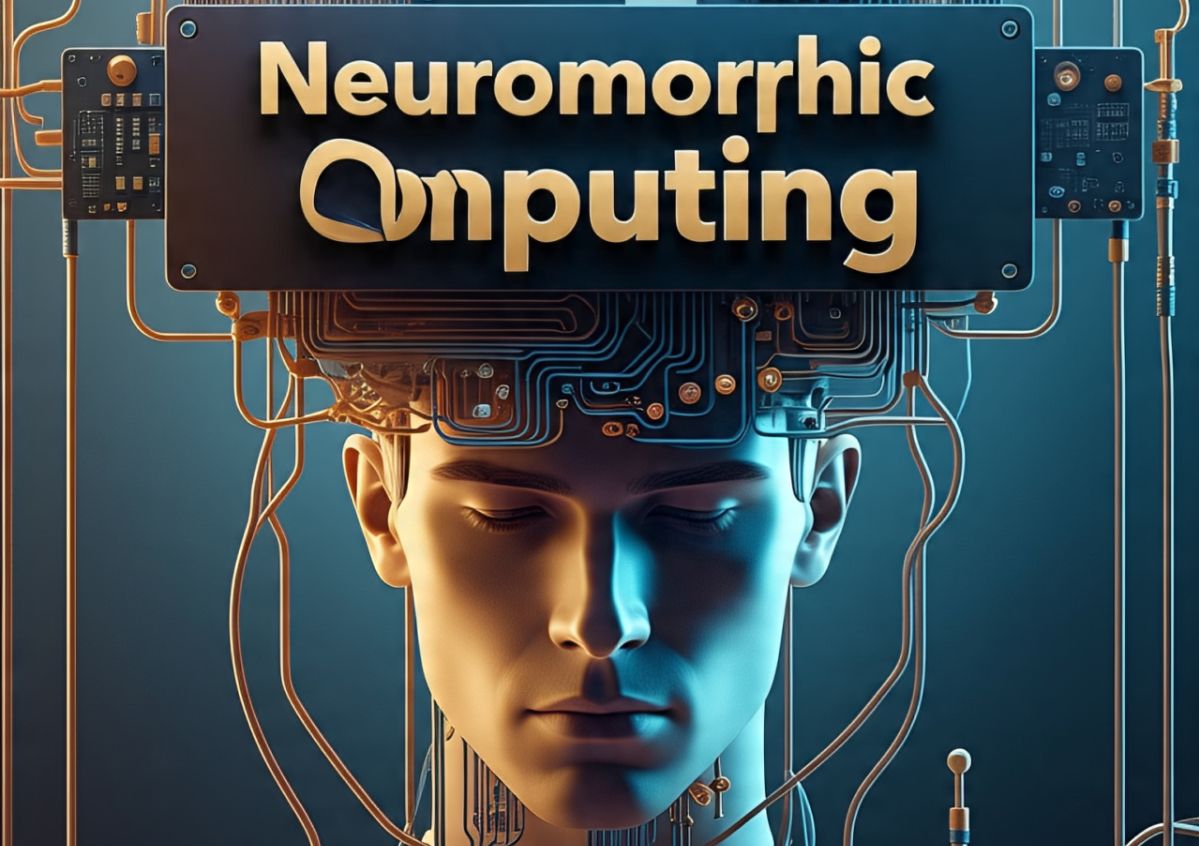
As the world enters an era of smarter machines and intelligent systems, traditional computing is struggling to keep up with the growing demand for real-time processing and human-like decision-making. Enter neuromorphic computing—a revolutionary approach inspired by the architecture and functioning of the human brain. Unlike conventional computing, which relies on binary logic and sequential processing, neuromorphic systems mimic neural structures to process information in a far more efficient and adaptive manner.
What Is Neuromorphic Computing?
Neuromorphic computing refers to the design of computer systems that are modeled after the human brain’s neural networks. This includes the creation of specialized hardware such as neuromorphic chips, which use analog circuits to replicate the behavior of neurons and synapses. The aim is to process data in a way that mimics natural neural activity, allowing for greater efficiency, parallelism, and learning capabilities.
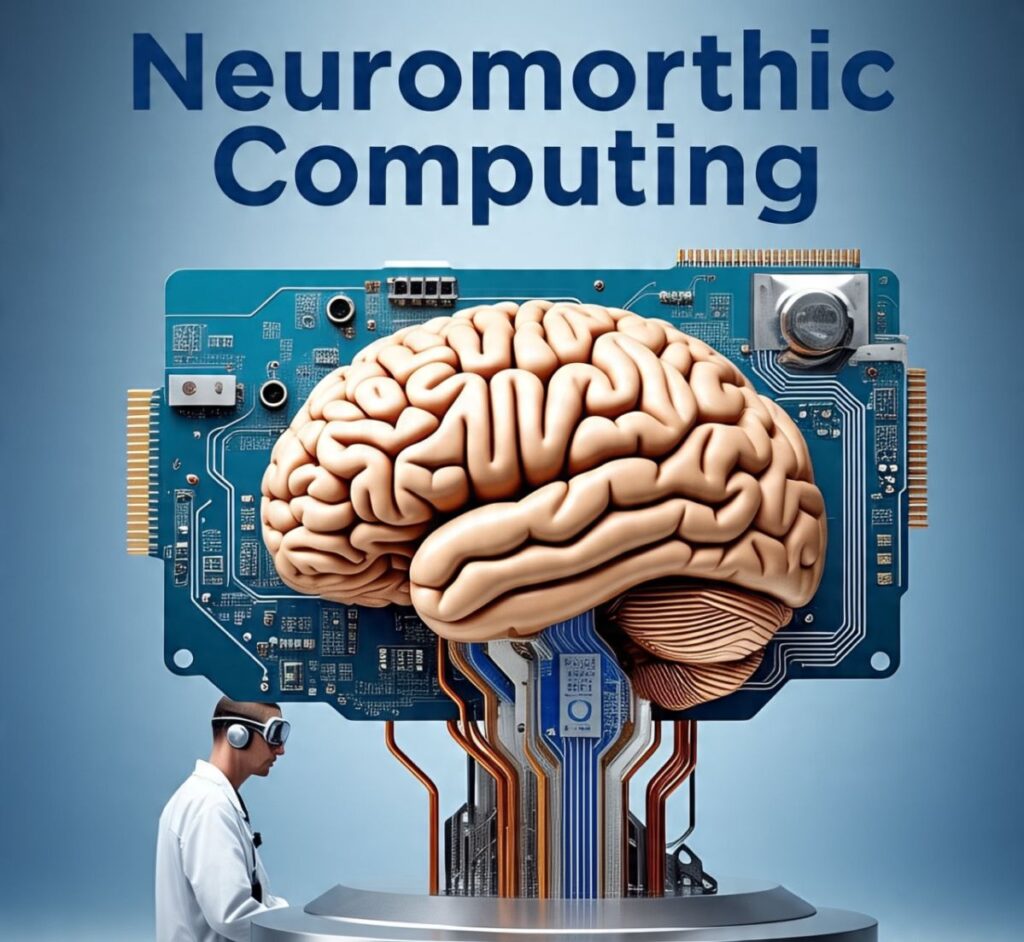
In essence, neuromorphic computers do not rely solely on software-based algorithms. Instead, they incorporate architecture that enables them to learn and adapt in real time, much like the human brain. This makes them ideal for tasks that require sensory processing, pattern recognition, and autonomous learning.
Key Features and Advantages
One of the most striking benefits of neuromorphic computing is energy efficiency. Traditional systems consume massive amounts of power when performing complex tasks such as image recognition or language processing. Neuromorphic chips, on the other hand, use event-driven communication and low-power analog circuits, which significantly reduce energy consumption.
Another critical advantage is parallel processing. Human brains process multiple inputs simultaneously—sight, sound, touch—without lag. Neuromorphic systems emulate this parallelism, making them incredibly effective for real-time applications such as robotics, autonomous vehicles, and adaptive control systems.
Moreover, neuromorphic systems are capable of continuous learning. Unlike traditional AI systems that require retraining from scratch when exposed to new data, neuromorphic architectures allow for incremental learning, enabling machines to adapt on the fly.
Real-World Applications
The potential applications of neuromorphic computing are vast and transformative. In autonomous vehicles, neuromorphic chips can help process sensor data more efficiently, enabling faster decision-making and safer navigation. In the field of robotics, these systems can enhance movement coordination and object recognition, making robots more responsive to their environment.
Neuromorphic computing is also making strides in healthcare. For example, brain-inspired processors can be used in neural prosthetics to decode neural signals and assist individuals with disabilities. Additionally, in smart surveillance systems, neuromorphic devices can detect anomalies and recognize faces with minimal power requirements.
Challenges to Overcome
Despite its promise, neuromorphic computing is not without its challenges. One major hurdle is the lack of standardized architecture. Unlike classical computing, where systems follow well-established design principles, neuromorphic hardware is still in its experimental phase, leading to compatibility and scalability issues.
Another challenge lies in software development. Existing programming models are not well-suited for neuromorphic systems. Researchers and developers must create new tools and frameworks to fully exploit the potential of these architectures.
The Road Ahead
Tech giants such as Intel, IBM, and BrainChip are already investing heavily in neuromorphic research. For instance, Intel’s Loihi chip and IBM’s TrueNorth are among the most advanced neuromorphic processors currently under development. As innovation continues, we can expect neuromorphic computing to play a central role in advancing AI technologies.
Conclusion
Neuromorphic computing represents a paradigm shift in how machines process information. By mimicking the human brain’s structure and function, it offers a path toward more intelligent, energy-efficient, and adaptive systems. Though still in its infancy, neuromorphic technology is paving the way for a new generation of computing that could redefine artificial intelligence and machine learning as we know them.