Introduction
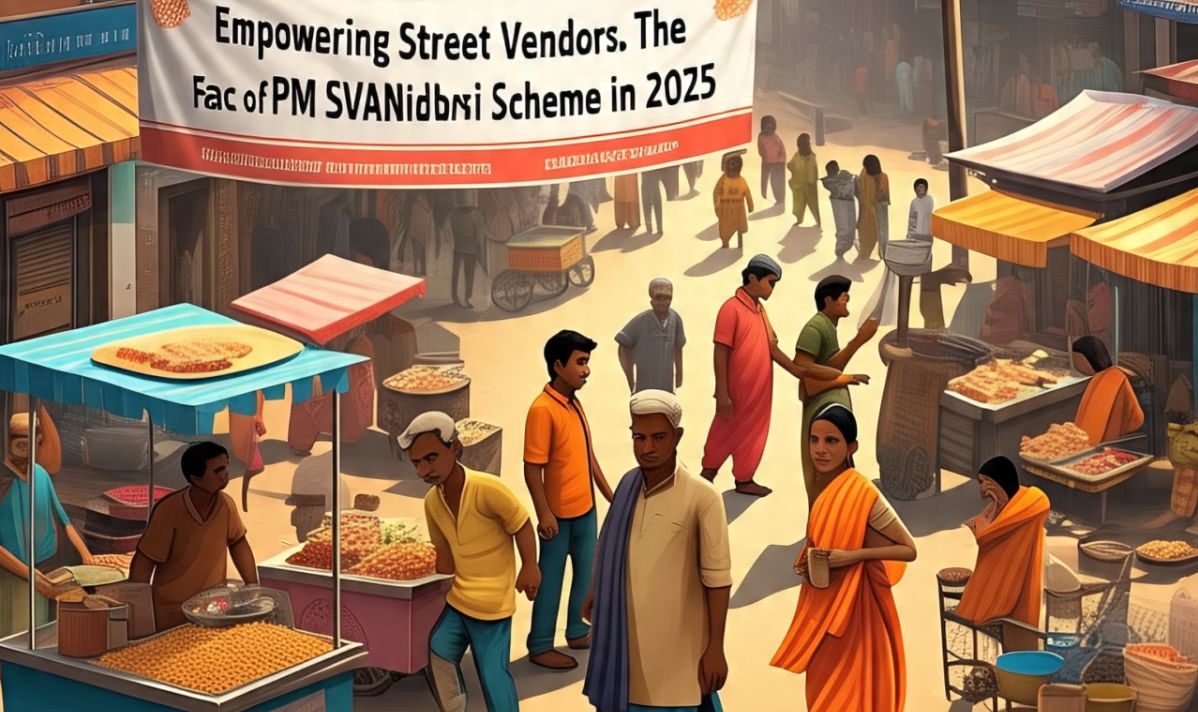
In the bustling lanes of India’s cities and towns, street vendors form an integral part of urban economies. They offer convenience, affordability, and diversity to millions of citizens. Recognizing their significance, the Government of India launched the PM SVANidhi Scheme (Pradhan Mantri Street Vendor’s AtmaNirbhar Nidhi) in 2020. Now, in 2025, the scheme has evolved into a more dynamic and inclusive platform, empowering street vendors like never before.
The Evolution of PM SVANidhi: A Look Back
Initially launched to support street vendors during the COVID-19 pandemic, PM SVANidhi provided collateral-free working capital loans to help them resume their businesses. Since then, over 50 lakh vendors have benefited from the initiative.
But 2025 marks a pivotal transformation — from a financial support scheme to a comprehensive empowerment mission.
What’s New in 2025?
The government has reimagined the PM SVANidhi scheme with an aim to create long-term economic resilience among vendors. Here’s what’s new:
1. Digital Literacy and Financial Inclusion
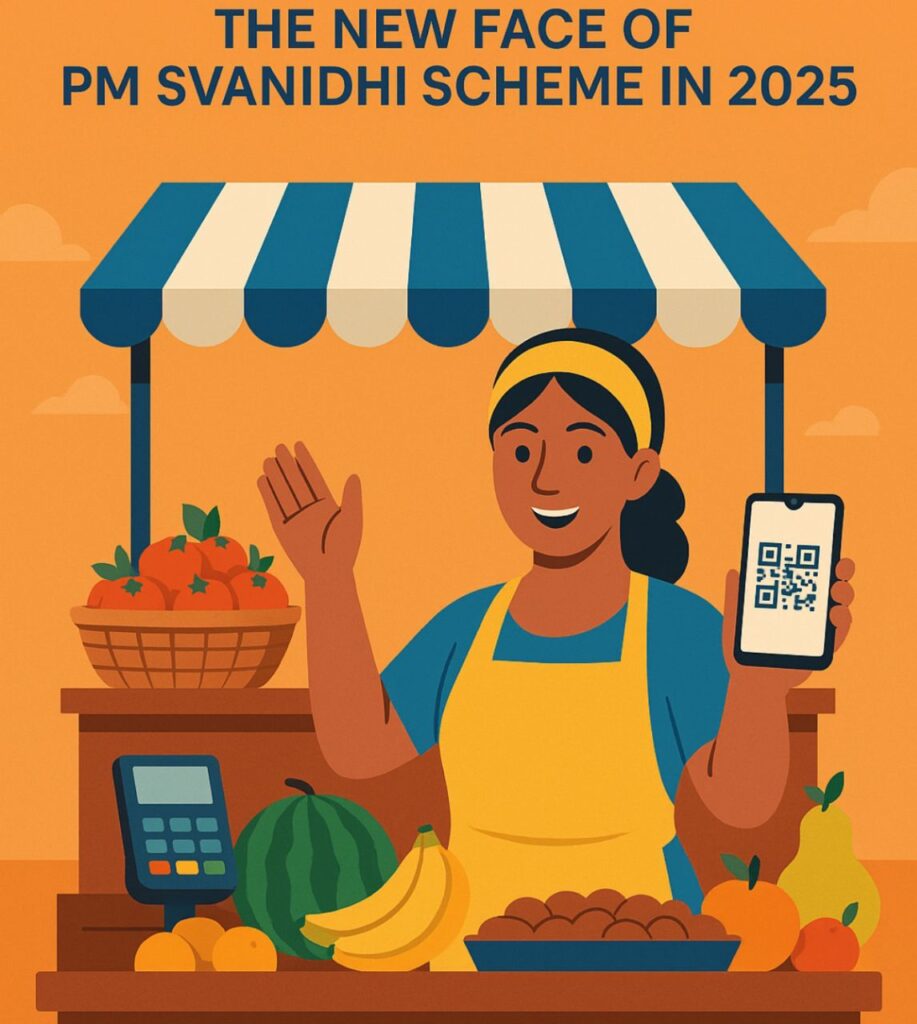
In 2025, vendors aren’t just borrowing — they’re transacting digitally. Through partnerships with fintech firms and mobile wallet providers, the scheme is now fostering 100% digital onboarding, UPI-enabled payments, and training in digital finance management.
2. Higher Loan Tiers and Incentives
Previously capped at ₹10,000–₹20,000, the new scheme now offers multi-tier loans of up to ₹50,000 with progressive access based on repayment history. Timely repayments are rewarded with interest subsidies and access to government welfare programs.
3. Skill Development and Upskilling
Understanding the changing nature of urban commerce, PM SVANidhi 2.0 includes skilling modules tailored to different vendor categories—from food stalls to textile sellers. These modules cover hygiene standards, customer service, pricing, and inventory management.
Women Vendors at the Forefront
Special emphasis is now placed on women street vendors, who often face more barriers to entry. The revamped scheme includes dedicated loan quotas, mentorship programs, and easier documentation processes to ensure gender-inclusive growth.
Smart Vending Zones and Urban Integration
In collaboration with urban local bodies, the scheme is now driving the development of Smart Vending Zones. These zones are equipped with waste management systems, sanitation, water facilities, and Wi-Fi, enhancing both vendor dignity and customer experience.
Impact So Far
- Over 70 lakh street vendors have registered under the 2025 framework.
- Nearly 65% have adopted digital payments as their primary mode of transaction.
- 80% of first-time borrowers have successfully repaid and upgraded to higher loan tiers.
- Women participation in the scheme has grown by 35% since the beginning of the year.
The Road Ahead
Empowering street vendors is not just about economic support — it’s about recognizing their role in the urban informal economy and helping them evolve with it. The new PM SVANidhi scheme is not merely a government intervention, but a movement towards social and economic inclusion.
With continuous collaboration between stakeholders — from municipal bodies to digital innovators — India is scripting a success story where the street vendor becomes a symbol of resilient, grassroots entrepreneurship.
Conclusion
The new face of PM SVANidhi in 2025 is a bold leap toward building an inclusive, digitized, and self-reliant India. By giving street vendors the tools, training, and trust they deserve, the scheme is not just empowering individuals — it’s transforming cities.