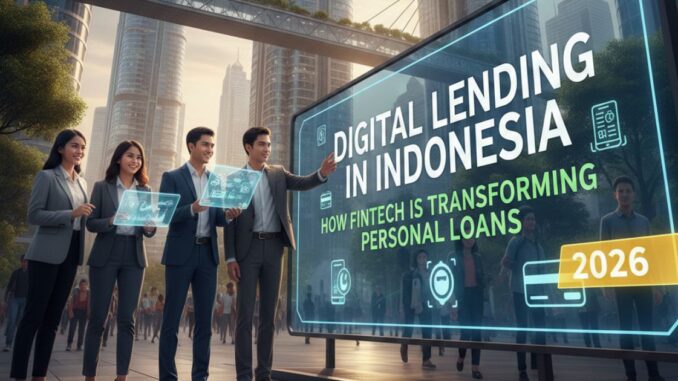
The Rise of Digital Finance in Indonesia
In 2026, Indonesia has emerged as one of Southeast Asia’s fastest-growing digital economies, and digital lending is playing a central role in this transformation. Rapid smartphone adoption, affordable internet access, and a young, tech-savvy population have created the perfect environment for financial technology companies to thrive. Traditional banks once dominated personal lending, but lengthy paperwork, strict eligibility requirements, and limited rural outreach left millions underserved. Fintech platforms are now bridging this gap by delivering fast, accessible, and fully digital loan services to individuals across the archipelago.
Faster and More Accessible Personal Loans
One of the biggest advantages of digital lending platforms is speed. Borrowers can complete loan applications directly through mobile apps without visiting physical branches. Identity verification, income checks, and approval processes are handled digitally, often within minutes. Funds are typically disbursed on the same day, offering crucial financial support during emergencies or short-term cash shortages.
This convenience is especially important in Indonesia, where many citizens work in the informal sector or as freelancers. Traditional banks often struggle to evaluate irregular income streams, but fintech companies use flexible systems designed for modern work patterns. As a result, personal loans have become more inclusive, helping individuals manage daily expenses, education costs, healthcare bills, and small business investments.
Alternative Credit Scoring and Financial Inclusion
A key driver of fintech’s success in Indonesia is the use of alternative credit scoring models. Instead of relying solely on traditional credit histories, digital lenders analyze broader data sources such as mobile transactions, e-wallet usage, utility payments, and online behavior. This approach allows lenders to assess creditworthiness more accurately for people who lack formal banking records.
By expanding access to credit, fintech companies are strengthening financial inclusion nationwide. Millions who were once considered “unbankable” now have access to structured loan products. In 2026, this shift is contributing to greater economic participation, enabling individuals to invest in opportunities and improve their financial stability.
Regulatory Support and Consumer Protection
The growth of digital lending has been supported by regulatory oversight from the Otoritas Jasa Keuangan. The authority has introduced frameworks to ensure transparency, fair lending practices, and consumer data protection. Licensed platforms must follow strict guidelines regarding interest rates, disclosure of fees, and ethical debt collection practices.
These regulations have helped restore trust in the sector, particularly after earlier concerns about illegal lending apps and aggressive collection tactics. In 2026, stronger compliance standards and improved monitoring systems are fostering a safer digital lending environment for borrowers.
Challenges in a Rapidly Expanding Market
Despite strong growth, challenges remain. Data privacy and cybersecurity risks continue to demand attention as digital platforms handle vast amounts of personal information. Over-indebtedness is another concern, especially among young borrowers attracted by quick approvals and easy access. Fintech companies are increasingly integrating financial literacy tools within their apps to encourage responsible borrowing and repayment discipline.
The Future of Personal Loans in 2026 and Beyond
Looking ahead, artificial intelligence and machine learning are expected to refine risk assessment models further, enabling more personalized loan offers with competitive pricing. Collaboration between fintech startups and traditional banks is also increasing, blending innovation with institutional stability.
Digital lending in Indonesia is no longer just a trend; it is a structural shift in how personal loans are delivered and accessed. By combining technology, regulatory guidance, and inclusive financial strategies, fintech is reshaping the lending landscape and empowering millions of Indonesians to participate more fully in the country’s growing digital economy.
Leave a Reply