Introduction
Starting or expanding a small business in the Philippines requires proper financial support, and a small business loan can be a practical solution. In 2026, loan options have become more accessible due to digital platforms, government programs, and competitive banking services. Whether you are launching a startup or scaling an existing business, understanding the loan process is essential to increase your chances of approval.
Understanding Small Business Loans
A small business loan is a type of financing designed to help entrepreneurs cover expenses such as inventory, equipment, rent, or expansion. In the Philippines, loans are offered by banks, government institutions, and online lending platforms. Each lender has different requirements, interest rates, and repayment terms, so it is important to choose the one that suits your business needs.
Types of Small Business Loans Available
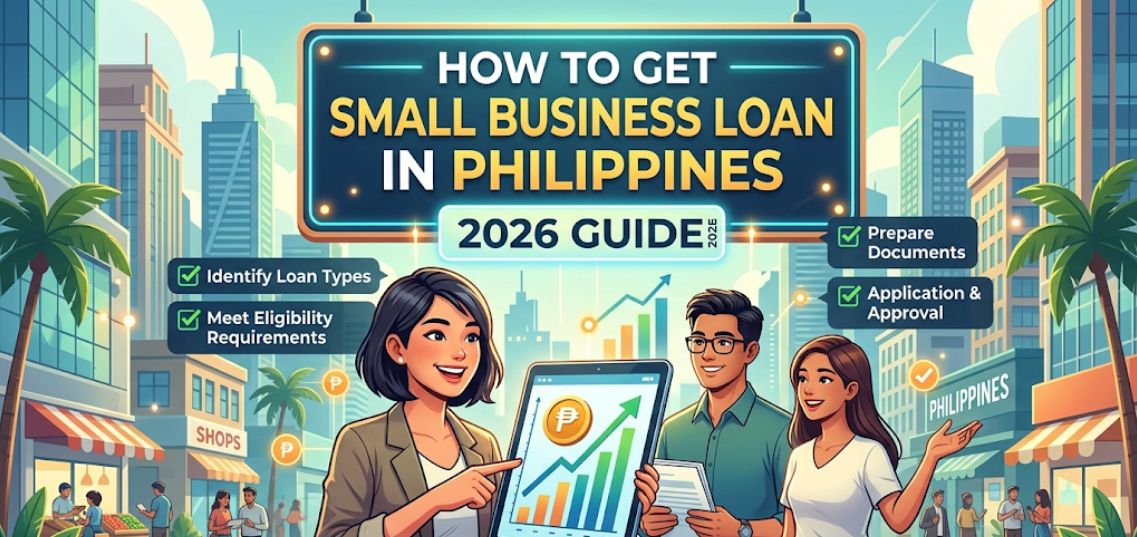
In 2026, entrepreneurs can access several types of loans. Traditional bank loans are ideal for established businesses with stable income and good credit history. Government-backed loans are popular among startups and small enterprises because they often have lower interest rates and flexible terms. Online lenders provide quick approvals and minimal paperwork, making them suitable for urgent financial needs. Microfinance institutions also play a key role in supporting small-scale entrepreneurs, especially in rural areas.
Eligibility Requirements
To qualify for a small business loan in the Philippines, you must meet certain criteria. Most lenders require a registered business, valid identification, and proof of income. Financial documents such as bank statements, tax returns, and business permits are also commonly requested. For startups, a solid business plan can significantly improve your chances of approval, as it shows lenders your vision and repayment capacity.
Steps to Apply for a Loan
The process of getting a small business loan begins with identifying your financial needs. Determine how much capital you require and how you plan to use it. Next, research and compare different lenders to find the best option. Once you have selected a lender, prepare all necessary documents and submit your application. Some lenders may require an interview or additional verification before approval. After approval, carefully review the loan terms before signing the agreement.
Tips to Increase Approval Chances
Improving your chances of getting approved for a loan requires preparation and financial discipline. Maintaining a good credit history is crucial, as lenders assess your ability to repay. Keeping accurate financial records and ensuring your business is legally registered also helps build trust. Additionally, borrowing only what you need and presenting a clear repayment plan can make a positive impression on lenders.
Common Mistakes to Avoid
Many entrepreneurs make mistakes when applying for loans, such as submitting incomplete documents or choosing loans with high interest rates. Ignoring repayment terms can lead to financial stress and negatively impact your business. It is also important not to rely solely on loans without proper financial planning, as this can create long-term debt problems.
Conclusion
Getting a small business loan in the Philippines in 2026 is more achievable than ever, thanks to diverse lending options and digital advancements. By understanding the loan types, meeting eligibility requirements, and preparing a strong application, entrepreneurs can secure the funding they need to grow their businesses. Careful planning and responsible borrowing will ensure that the loan becomes a stepping stone toward success rather than a financial burden.