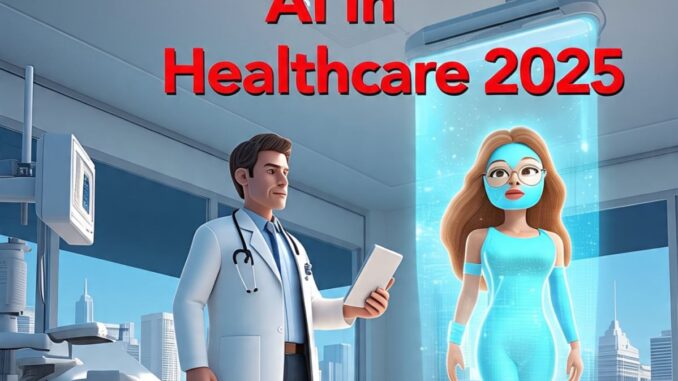
Introduction
Artificial Intelligence (AI) is revolutionizing the healthcare industry in unprecedented ways. In 2025, the integration of virtual therapists and AI-powered doctors is reshaping how patients receive care, making healthcare more accessible, efficient, and personalized. From mental health consultations to diagnostics and treatment planning, AI is driving a new era of digital healthcare solutions.
The Rise of Virtual Therapists in Mental Healthcare
In 2025, mental health services are being transformed by AI-driven virtual therapists. These digital therapists use advanced natural language processing and machine learning algorithms to offer personalized therapy sessions through smartphones, computers, and wearable devices. Virtual therapists can conduct cognitive-behavioral therapy (CBT), provide emotional support, and guide patients through stress management techniques.
What sets these virtual therapists apart is their 24/7 availability. Unlike traditional therapy, where patients often face long wait times and scheduling conflicts, AI therapists are accessible anytime and anywhere. They can analyze speech patterns, emotional cues, and past interactions to tailor responses uniquely to each user. This approach not only enhances user experience but also makes mental health support available to underserved populations in remote areas.
AI Doctors: Revolutionizing Diagnostics and Treatment
AI-powered doctors are now capable of diagnosing illnesses with remarkable precision. Leveraging large datasets of medical records, research studies, and diagnostic images, AI systems can identify conditions ranging from common infections to complex diseases like cancer and cardiovascular disorders. In many cases, AI-powered diagnostics can detect early warning signs that may be overlooked by human physicians.
These AI systems assist human doctors by offering clinical decision support, reducing diagnostic errors, and optimizing treatment plans. In 2025, AI doctors are also widely used in telemedicine, providing fast consultations for non-emergency health concerns. They can recommend medication, lifestyle changes, and even monitor patients’ progress through wearable health devices.
Furthermore, AI doctors are increasingly involved in personalized medicine. By analyzing a patient’s genetic data, lifestyle, and health history, AI algorithms can create customized treatment plans designed for optimal outcomes. This precision approach minimizes trial-and-error treatments and reduces side effects, ultimately improving patient satisfaction and recovery rates.
Enhanced Accessibility and Cost Reduction
One of the most significant impacts of virtual therapists and AI doctors is improved healthcare accessibility. In regions with a shortage of healthcare professionals, these AI solutions fill critical gaps by providing essential services without geographic or financial barriers.
AI also plays a major role in reducing healthcare costs. Automated diagnostics, virtual therapy sessions, and remote monitoring significantly lower the overhead costs associated with in-person visits, hospital stays, and manual diagnostic procedures. For many patients, this means affordable and consistent access to quality care.
Ethical Considerations and Human Collaboration
Despite their numerous benefits, the growing presence of AI in healthcare raises important ethical questions. Data privacy, algorithmic bias, and the need for human oversight are major concerns. In 2025, regulatory bodies are working to implement strict guidelines for AI in healthcare to ensure transparency, fairness, and safety.
Rather than replacing human healthcare professionals, AI is designed to collaborate with them. The most effective systems combine AI’s analytical power with the empathy and expertise of human clinicians. This partnership enhances patient care while preserving the human touch that remains essential in healing and therapy.
The Future of Healthcare Is AI-Driven
As technology advances, the role of virtual therapists and AI doctors will continue to expand. From mental health support to chronic disease management and preventive care, AI solutions are transforming the healthcare landscape.
In 2025, the future of healthcare is not merely digital—it is deeply intelligent, empathetic, and accessible. With the right balance of innovation and regulation, AI promises to deliver a healthier world where everyone can access high-quality care, anytime and anywhere.
Leave a Reply