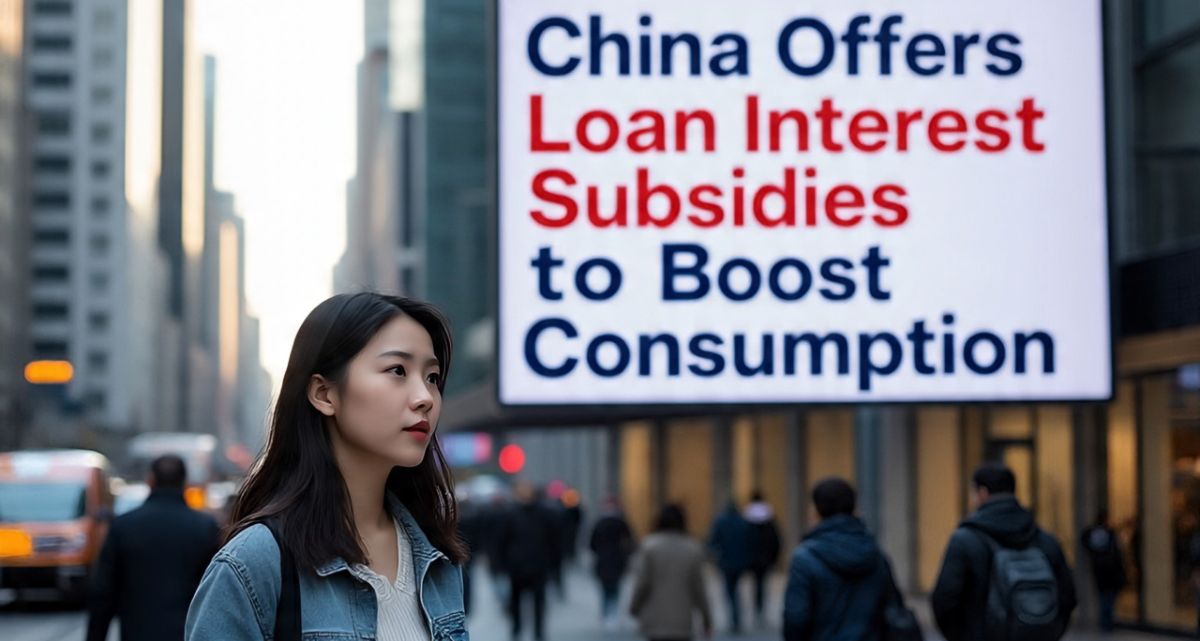
In 2025, China has unveiled new loan interest subsidy programs aimed at stimulating domestic consumption and strengthening its slowing economy. As the world’s second-largest economy, China faces challenges such as weaker export demand, a cautious consumer base, and uncertainties in global markets. To counter this, policymakers are offering financial incentives that make borrowing cheaper for households and businesses, hoping to encourage spending and investment.
Why Subsidized Loans Are Being Introduced
The primary goal behind these subsidies is to reduce the financial burden on borrowers. By lowering the effective interest rates on consumer and business loans, the government aims to spark new demand in sectors like retail, housing renovation, and small-scale entrepreneurship. When households find it easier to borrow at affordable rates, they are more likely to spend on big-ticket items such as cars, appliances, or education. Similarly, small businesses can access cheaper credit to expand operations, hire workers, or invest in digital transformation.
China’s leadership has long emphasized the need to shift from an export-driven model toward a consumption-driven economy. Subsidized loans are part of that transition, ensuring that local demand plays a stronger role in sustaining growth.
Sectors Likely to Benefit
Several sectors stand to gain directly from these policies. The retail sector, particularly consumer electronics and household goods, is expected to see a surge in demand. The automobile industry, which has struggled with declining sales, may also experience recovery as buyers are offered more affordable financing options.
Additionally, the real estate renovation and home improvement market could be revitalized, since subsidies can ease the cost of upgrading or furnishing homes. On the business side, small and medium-sized enterprises (SMEs) could benefit from lower financing costs, enabling them to weather challenges like rising raw material prices and international competition.
Balancing Growth with Risks
While subsidies are designed to fuel economic activity, they also come with challenges. Cheaper loans might encourage households and businesses to take on more debt than they can manage. If incomes or profits fail to keep pace, repayment risks could rise. For banks, this might lead to higher levels of non-performing loans, adding pressure to the financial system.
To mitigate these risks, the government is expected to closely monitor lending standards and ensure that subsidies are directed toward productive uses rather than speculative activities. For example, programs could prioritize loans for education, green energy, and business expansion over speculative real estate purchases.
Broader Economic Impact
Beyond boosting immediate consumption, interest subsidies may also reinforce consumer confidence. When citizens see that the government is actively supporting household spending, they may feel more secure about their financial futures. This psychological effect is crucial in times of economic uncertainty, as confidence often determines whether people choose to save or spend.
Moreover, these measures align with broader policy goals, such as reducing inequality and supporting rural revitalization. By targeting subsidies at households with lower incomes or small-scale entrepreneurs, the government can ensure that growth benefits are more widely distributed.
Conclusion
China’s loan interest subsidy initiative represents a strategic effort to strengthen domestic consumption while addressing economic slowdowns. By lowering borrowing costs, the government hopes to create a ripple effect across retail, housing, and small business sectors. However, careful management will be required to balance growth with financial stability. If executed effectively, these subsidies could play a vital role in reshaping China’s economy into one driven more by internal demand and resilient consumer spending.